
*This post may contain affiliate links for which I earn commissions.*
When I think of life's special celebrations, one of the first things that comes to mind is opening a lovely bottle of Champagne. Whether it's a birthday, a wedding anniversary, Christmas, Chinese New Year, Mother's Day or Father's Day, there's something rather special about hearing that familiar pop of a cork.
But I've always believed you don't need a particular occasion to enjoy a good glass of bubbly. Sometimes, the best reason to open a bottle is simply because you feel the moment is right.
Most of us can probably remember our first taste of Champagne. Perhaps it was a modest bottle bought from the local supermarket, or maybe you were fortunate enough to sample something from one of the great Champagne houses.
My own introduction to Champagne goes back more than 50 years.
I was working in a small hotel just outside Bournemouth, on the south coast of England, when I first tasted this wonderful sparkling wine. I can still remember the occasion remarkably well. There's something about those delicate bubbles, the freshness and that unmistakable sense of celebration that stays with you.
Over the years, I've come to appreciate that not all Champagnes are alike. Some are light, fresh and wonderfully easy to enjoy, while others offer richer flavours and greater complexity.
That's where the difference between vintage and non-vintage Champagne becomes particularly interesting.
A vintage Champagne is made from grapes harvested in a single year, usually one the producer considers particularly noteworthy. Non-vintage Champagne, on the other hand, is generally blended from wines produced in different years to maintain the house's familiar style and character.
And don't be fooled into thinking that non-vintage means second best. Some of the finest Champagne houses produce excellent non-vintage bottles that are a pleasure to drink.
The United Kingdom has long been one of Champagne's most important export markets, which perhaps explains why this famous French wine has become such a familiar part of our celebrations.
Of course, genuine Champagne must come from the designated Champagne region of France and meet the rules governing its production. Other sparkling wines can be excellent, but they cannot simply call themselves Champagne.
So, with all that in mind, I'd like to share my selection of ten vintage and non-vintage Champagnes that I believe are worth considering when your next special occasion comes along.
After all, choosing the right bottle should be part of the enjoyment, not another thing to worry about.
And if you enjoy a glass of Champagne but don’t always finish the bottle, you might find my Coravin Sparkling System review and buyer’s guide particularly interesting. It explores a rather clever way of keeping those lovely bubbles for another day.

Taittinger Brut Réserve Non-Vintage (no Gift Box)


Moët & Chandon Nectar Imperial Rose Non-Vintage,
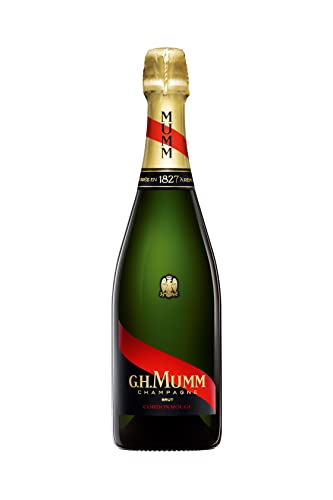
G.H. Mumm Cordon Rouge Non-Vintage

Moët & Chandon Nectar Impérial


Veuve Clicquot Vintage 2019 Champagne, Gift Box

Taittinger Brut Vintage 2014 in Gift Box

Moët & Chandon Grand Vintage Rosé 2016, Giftbox

Perrier-Jouët Belle Epoque 2013 Brut
